
https://grok.com/share/c2hhcmQtNQ_127dbdfd-06fa-445d-b3af-223b9aa6f03f
Growing Purslane: A Drought-Tolerant Superfood Weed
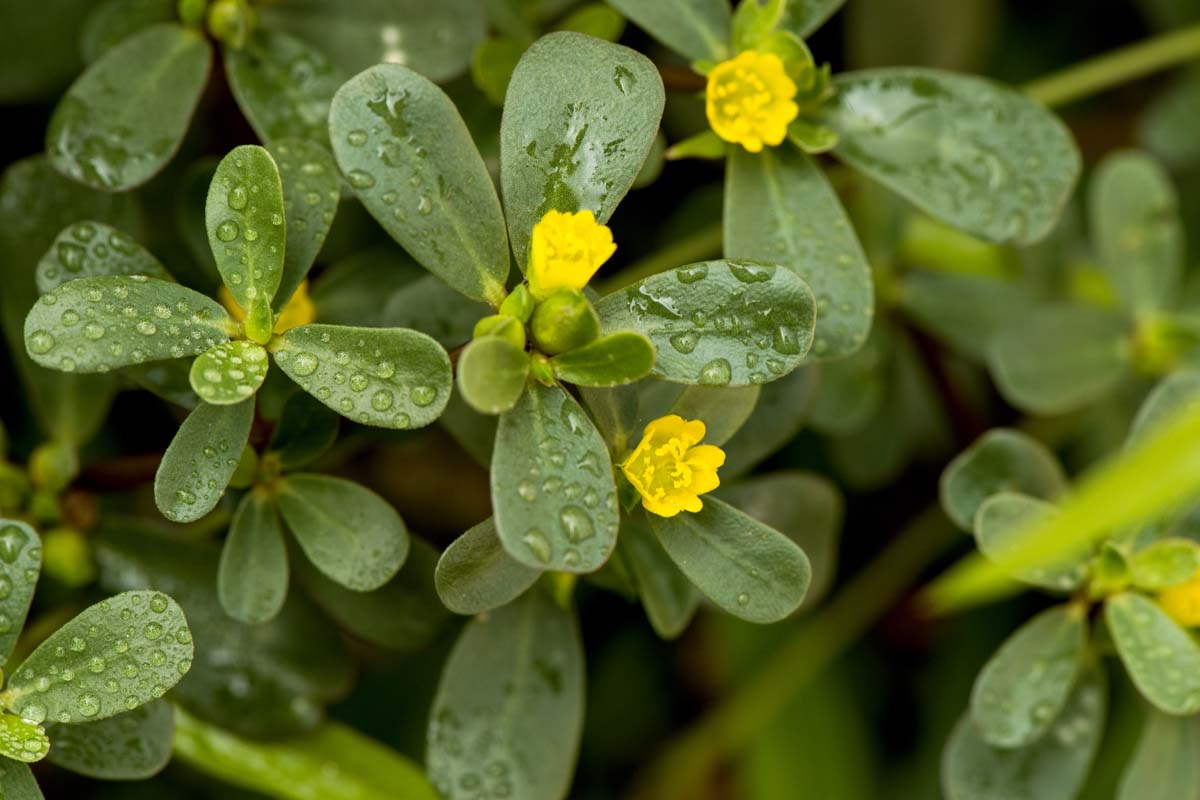
Purslane (Portulaca oleracea), often dismissed as a common weed, is actually a nutritional powerhouse that’s perfectly suited to hot, arid conditions. This succulent annual thrives in dry summers while self-seeding reliably for future years—making it an easy, low-maintenance addition to your garden.

Why Purslane Loves Hot, Dry Climates
Purslane is built for harsh conditions with scorching summers and low rainfall:
- Drought-tolerant: As a succulent, it stores water in its thick, fleshy leaves and stems, needing minimal irrigation once established.
- Heat-loving: It grows vigorously in full sun and poor, compacted soils.
- Low-maintenance: It spreads easily and acts as a living mulch, retaining soil moisture for other plants.

Surviving Cold Winters
The mature plants are frost-tender and will die back at the first hard freeze. In areas with sub-zero winter temperatures, the live plants won’t overwinter outdoors.
But here’s the good news: Purslane seeds are incredibly hardy. They survive freezing temperatures in the soil—often viable for 20–40 years—and germinate prolifically when spring warms the ground to 60–80°F. Let plants flower and set seed in late summer, and you’ll have a fresh crop sprouting reliably each year without replanting.


The Omega-3 Superstar
What sets purslane apart from most leafy greens is its exceptional omega-3 fatty acid content. It’s one of the richest plant sources of alpha-linolenic acid (ALA), the essential omega-3 typically found in fish.
- 100 grams of fresh purslane leaves provide 300–400 mg of ALA—far more than spinach or most other greens (up to 15 times more than iceberg lettuce in some comparisons).
- It’s also packed with antioxidants like vitamin E (six times more than spinach), vitamin C, beta-carotene, and glutathione.
This makes purslane a fantastic plant-based option for boosting heart health, reducing inflammation, and supporting overall wellness.


How to Grow and Enjoy It
- Planting: Sow seeds directly in spring after the last frost, or let it self-seed.
- Harvest: Pick young leaves and stems throughout summer—they have a mild, lemony flavor with a crunchy texture.
- Uses: Add raw to salads, sandwiches, or smoothies; sauté, stir-fry, or pickle for cooked dishes.
Purslane isn’t just surviving in tough conditions—it’s thriving. Embrace this resilient “weed” for free, nutritious greens that return year after year with virtually no effort.
 Garrison Gibson: books and blog
Leave a comment